

Safe Shutoff
Gas, power and the cold water supply are shut off before any line is disconnected.
Removing an old water heater means safely shutting off fuel and water, draining a heavy tank, and getting it out of the house and disposed of properly. Request an estimate and we connect you with a licensed local installer in our network.
When removal is part of a replacement, the written estimate from an installer in our network should show each of these steps by name.
Gas, power and the cold water supply are shut off before any line is disconnected.
The old tank is drained through the drain valve so it can be moved without spills.
Gas, water and vent connections are removed and capped or prepared for the new unit.
The heavy tank is moved out of the attic, closet or garage without harm to the home.
The installer explains where the old unit goes, often a local scrap metal recycler.
The space is cleared of old fittings, sediment and debris before the new unit is set.
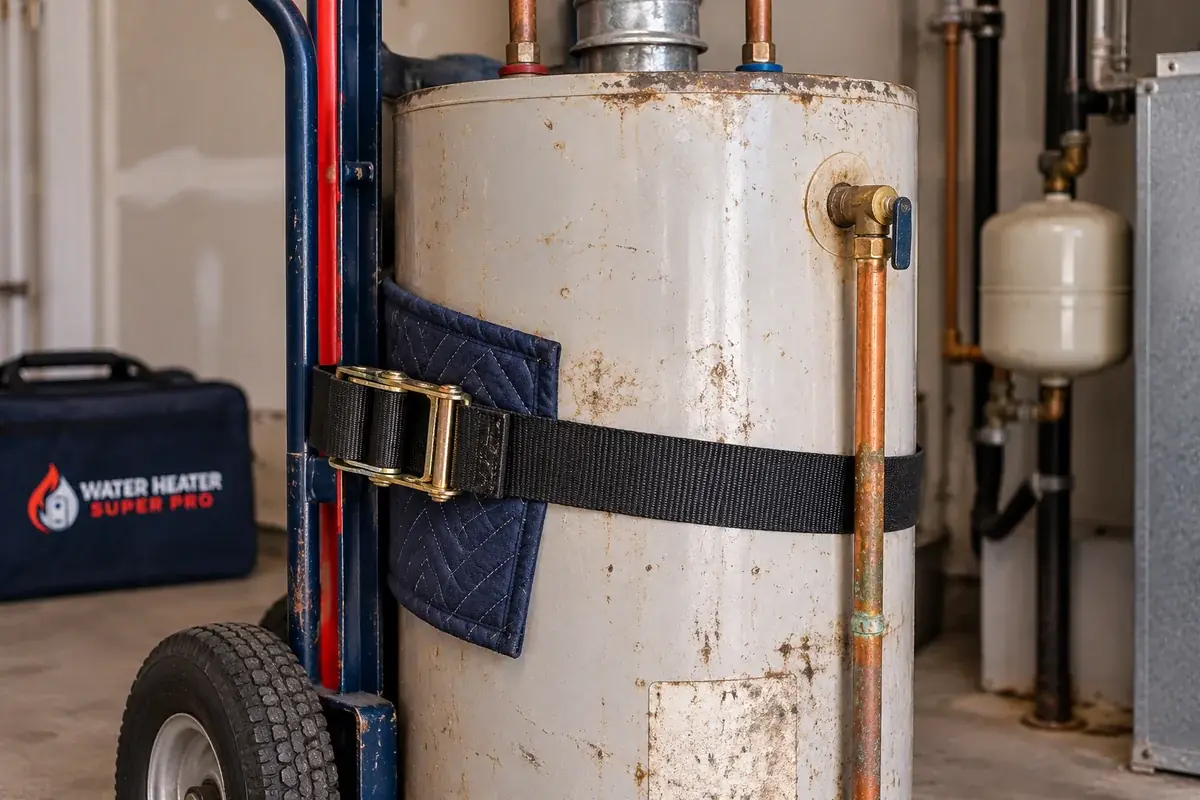
Homeowners usually choose one of three removal paths, depending on whether a new unit is going in and who handles the haul-away.
Homes getting a new unit installed at the same visit
Owners with a disconnected or abandoned old tank
Owners who will haul the drained tank away themselves
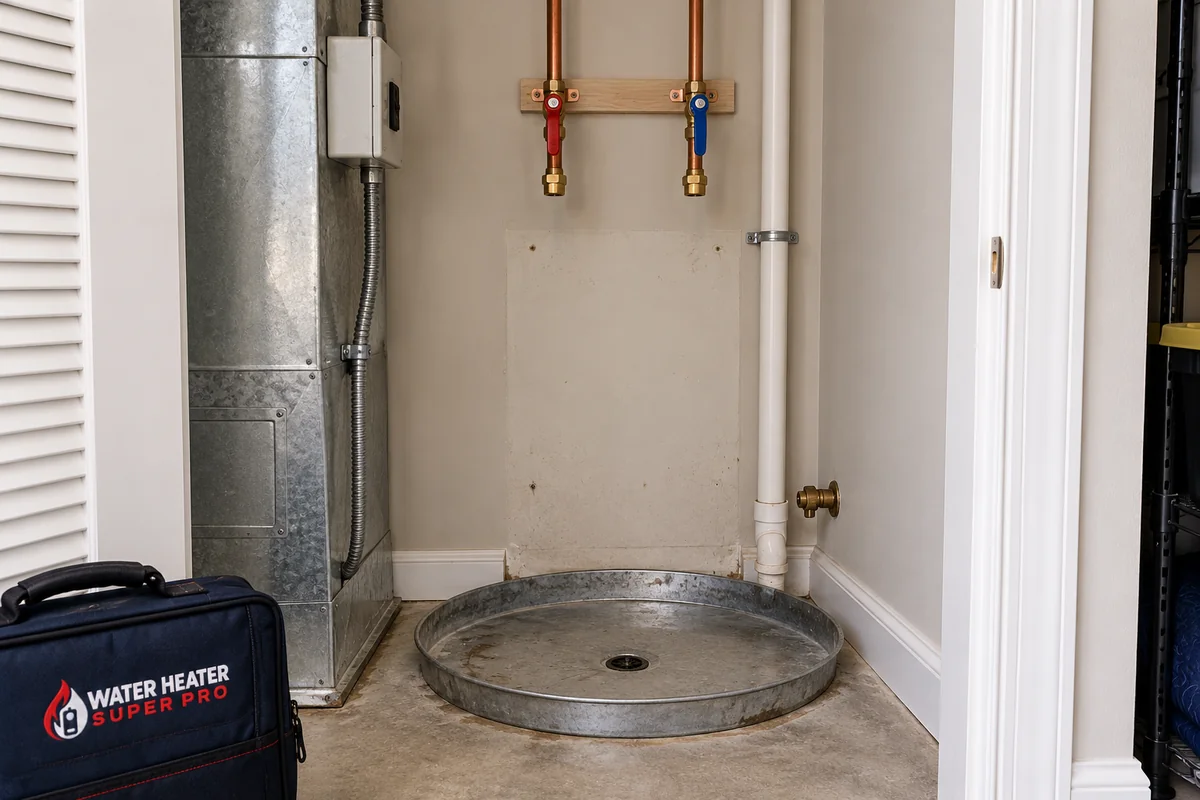
Removal is usually a small part of a replacement estimate, but these factors can add time, labor or disposal steps for the installer.
| Factor | Why it changes the estimate |
|---|---|
| Unit Location | Attic, upper floor and crawlspace tanks take more people and care to carry out safely. |
| Tank Size and Weight | Larger tanks and units full of sediment are heavier and slower to drain and move. |
| Fuel Type | Gas units need the gas line shut off and capped, and electric units need power isolated. |
| Disposal Route | Local landfill, transfer station and scrap yard rules decide where the old tank can go. |
| Bundled or Standalone | Removal with a replacement shares one visit, and removal alone is a separate trip. |
Use this form to share your ZIP code, unit type and where the old unit sits.
We connect you with an independent licensed installer who covers your ZIP code.
The installer checks your setup and gives you a written, itemized removal estimate.
Compare the scope and approve the work only if it fits. There is no obligation to hire.
One form starts one old water heater removal request: a single matched installer, an itemized written estimate and no cost to compare it with other quotes.
Your request goes to an installer who handles old water heater removal in your area.
Installers in our network are independent contractors licensed by the state board.
Each estimate lists the unit or parts, labor and permit items so you can compare clearly.
Requests go to installers who cover your ZIP code, and you never have to hire anyone.
Key facts from this page, one line each.
Old water heater removal starts with shutting off the gas or the electrical circuit and closing the cold water supply. The installer then drains the tank through the drain valve, disconnects the water lines, the gas line or wiring and the vent on gas units, and moves the empty tank out of the home.
Most of these steps involve gas, high voltage or scalding water, so leave them to the installer and focus on clearing a path to the water heater before the visit.
Old water heater removal gets harder when the tank sits in an attic, a tight closet or a basement with narrow stairs, when heavy sediment clogs the drain valve, when supply fittings are corroded, or when the tank has already leaked. Each condition can add time and labor to the job.
Attic and tight-space removal takes more planning because the tank must be carried through hatches, narrow stairs or closet doors. Attic units often sit in a drain pan, and the pan and its drain line may need replacement too. Mention the location when you request an estimate so the installer can plan for it.
A sediment-clogged drain valve can stop a tank from draining at a normal rate. The installer may need to drain it slowly, clear the valve, or move the tank with some water still inside, which makes it much heavier. Tanks that were never flushed are the most likely to clog.
Corroded fittings and earlier leaks add steps to old water heater removal. Seized connections may need to be cut and replaced, and a wet floor or platform has to be dried and checked before the new unit goes in. Note any past leaks in the estimate form.
Old water heaters are mostly steel and are commonly taken to scrap metal recyclers or disposed of according to local solid waste rules. Disposal options vary from one community to the next, and most installers include haul-away in a replacement job, so confirm that disposal appears in the written estimate.
Installer haul-away is the simplest path for most homeowners, because the installer takes the old tank when the new one is set. Haul-away is usually a line item in a replacement estimate. If the estimate does not mention it, ask before approving so the old tank is not left behind.
Disposing of a water heater yourself means checking local solid waste rules first, since curbside collection for bulky metal items differs from place to place. A drained tank is still heavy and awkward to move. Scrap metal recyclers commonly accept steel water heaters, but confirm their current requirements before you bring one in.
A water heater replacement estimate should state whether old water heater removal and disposal are included, whether a replacement drain pan or new supply fittings are part of the job, and whether extra labor is expected for attic or tight-space locations. Clear line items make estimates easier to compare.
See the full water heater replacement page for the complete list of items an estimate should include, and the water heater replacement cost page for the factors that affect pricing.
If any of these items is missing, ask the installer to add it in writing. A complete estimate avoids surprises on the day the old unit comes out.
Old water heater removal leaves an empty space that should be checked for water damage, corroded fittings and the condition of the floor or platform. Removal is also the moment to confirm that the venting, gas line or circuit, drain pan and T&P discharge route meet current code for the new unit.
If the old tank leaked for a while, look for soft flooring, stained drywall or mold. Code requirements may have changed since the old unit was installed, which is why an inspection by your local building inspections office may be part of the job. The water heater replacement overview explains how permits fit into a swap.
The simplest route is to have the installer who sets your new unit disconnect and haul away the old one, with removal listed in the written estimate. You can also take a drained tank to a local landfill, transfer station or scrap metal recycler, after checking their rules for accepting appliances.
Many landfills and transfer stations accept water heaters as scrap metal or bulky appliances, but rules differ from place to place and some require the tank to be drained first. Check with your local solid waste office before loading the tank, since fees, accepted items and drop-off sites vary between locations.
Retailers set their own haul-away policies, and those policies can depend on whether you buy installation or delivery, so ask before you buy. If the store does not take it, an installer can include removal in the written estimate, or you can take the drained tank to a local recycler.
Steel tanks, copper fittings and brass valves have some scrap value, and scrap metal recyclers often accept old water heaters. The amount is usually small and changes with metal markets. Draining the tank and removing loose parts makes it easier to transport, and many homeowners simply let the installer haul it away.
A broken water heater can go to a scrap metal recycler, a local landfill or transfer station that accepts appliances, or out with the installer replacing it. Before moving it, shut off the fuel or power, close the water supply and drain the tank. Gas line disconnects are best left to a licensed installer.
Flushing a 20-year-old tank that has never been drained can disturb heavy sediment and expose weak spots, and an old drain valve may stick or leak. At that age, planning a replacement is usually the better move. An installer can assess the unit and include removal of the old tank in a written estimate.
Open the service area directory, pick your city and you land on water heater replacement for that city: what the job includes there, who issues the permit and how to get a free written estimate from a licensed local installer.
Or browse by state: North Carolina · South Carolina
Share your ZIP code and the problem. A licensed installer covering your area follows up with a written estimate.