

Sizing by FHR
Matches the new tank to your peak morning demand using the First Hour Rating on the label.
Electric resistance tanks are common in homes without gas service. We connect homeowners with independent, licensed local installers who can replace an electric unit, check the circuit and explain whether a heat pump model is worth considering.
An electric water heater replacement covers sizing, the 240-volt circuit, code upgrades and the permit, and the installer lists each item in the written estimate.
Matches the new tank to your peak morning demand using the First Hour Rating on the label.
Confirms the dedicated 240-volt circuit, breaker and wiring suit the new water heater.
Checks room size, airflow and a condensate drain path when a heat pump unit is an option.
The licensed installer pulls the permit from your local building inspections office.
Adds an expansion tank, drain pan or new T&P discharge line when the job requires one.
Drains, disconnects and hauls away the old electric water heater if removal is in the job.
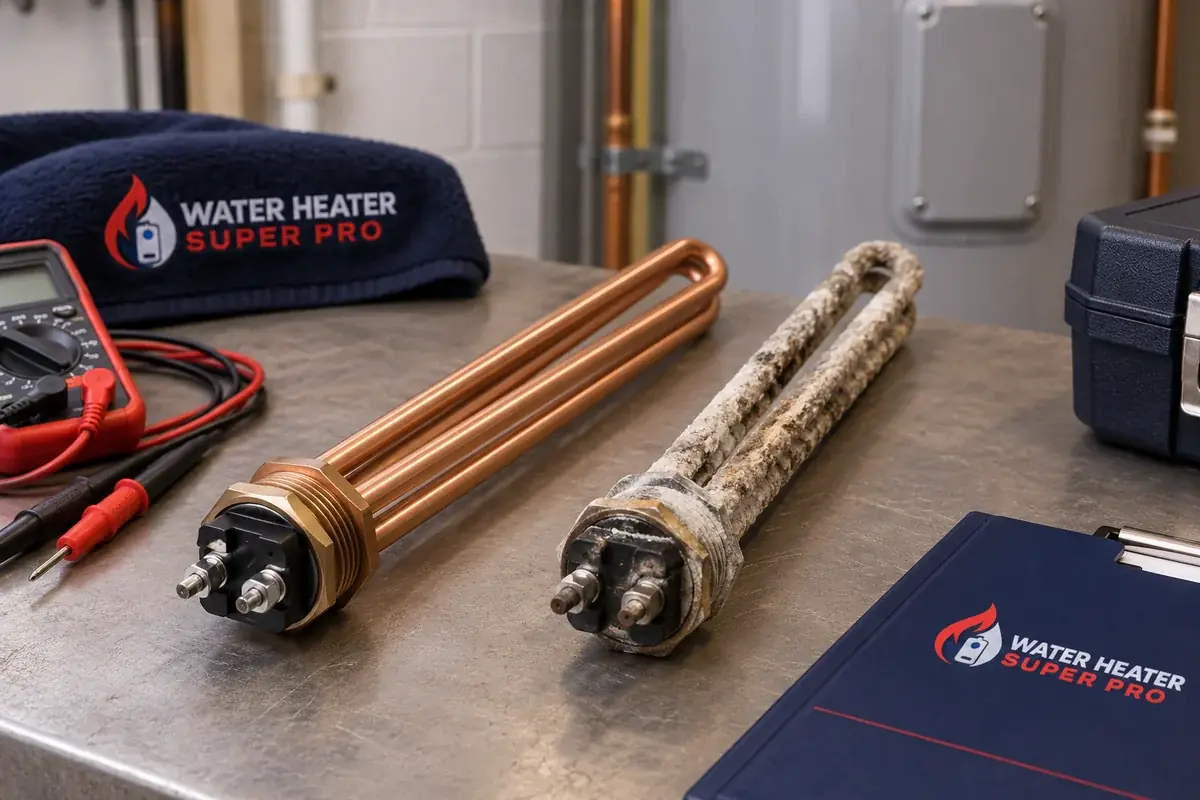
Homes served by an electric utility or cooperative usually choose among three electric water heater types, and the installer confirms which one fits your space.
Like-for-like swaps on an existing 240-volt circuit
Garages and basements with room and good airflow
Smaller homes or point-of-use hot water needs
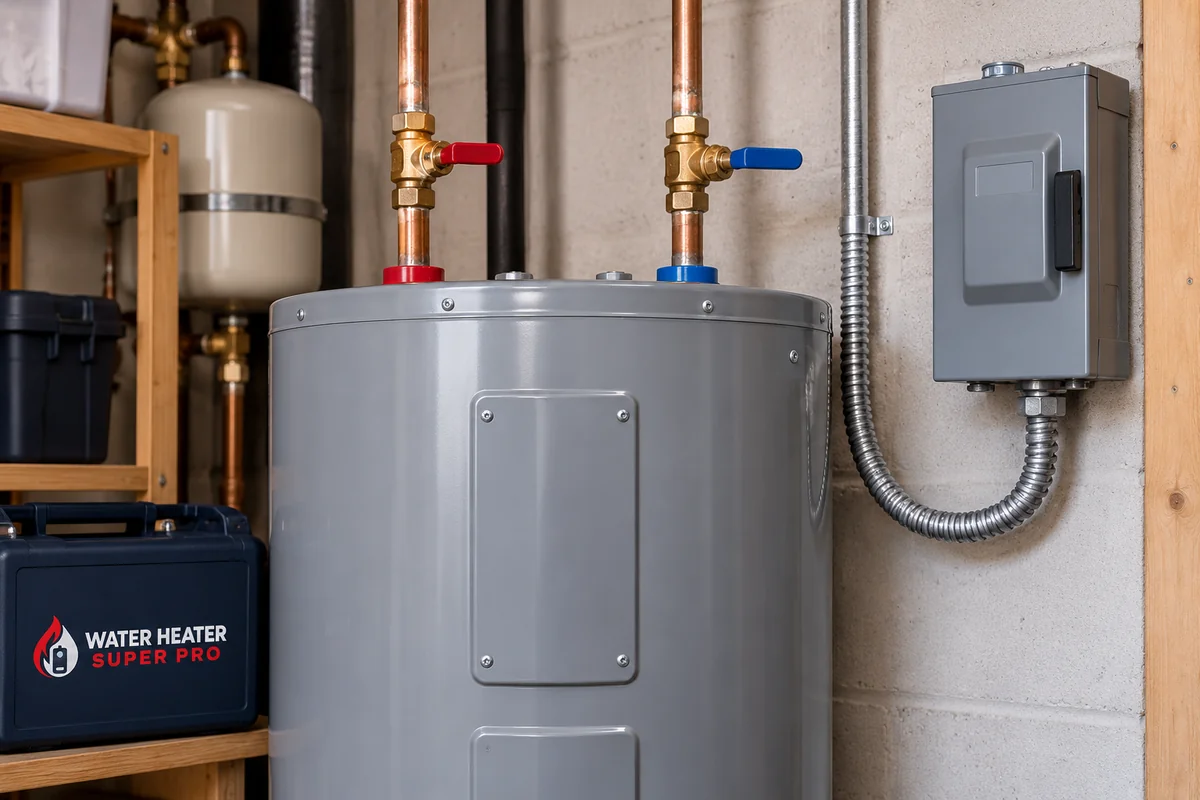
An electric water heater estimate depends on the unit type and size, the electrical work involved, the install location and what your local permit office requires.
| Factor | Why it changes the estimate |
|---|---|
| Unit type | A standard tank, heat pump unit and electric tankless unit each need different parts and labor. |
| Size and FHR | A larger tank or a higher First Hour Rating costs more and can need a larger space. |
| Electrical work | A new circuit, breaker or panel upgrade adds cost, especially for an electric tankless unit. |
| Install location | Attic, closet and tight utility spaces take longer and often need a drain pan added. |
| Permit and code | Permit fees and code items such as an expansion tank or drain pan vary by jurisdiction. |
Fill in the form on this page with your ZIP code and the electric water heater you have.
We connect you with an independent licensed installer who covers your ZIP code.
The installer checks the circuit, space and drain options, then writes up an estimate.
Approve the estimate, compare it with others or decline. You have no obligation to hire.
One form starts one electric water heater replacement request: a single matched installer, an itemized written estimate and no cost to compare it with other quotes.
Your request goes to an installer who replaces electric tank and heat pump water heaters.
Installers in our network are independent businesses licensed for water heater work.
Each estimate lists the unit, electrical work and permit items so quotes compare fairly.
Your request goes to installers who cover your ZIP code and the type of job you need.
Key facts from this page, one line each.
An electric water heater heats stored water with one or two resistance elements immersed in the tank. Each element has a thermostat that switches it on when water cools below the set point. In most two-element tanks, the thermostats work in sequence, so only one element heats at a time on a single 240-volt circuit.
Electric resistance tanks typically recover more slowly than gas tanks of the same size, so compare the First Hour Rating (FHR) on the EnergyGuide label when you choose a model.
An electric water heater has no burner, so electric water heater installation needs no flue, no combustion air and no venting. That makes electric tanks a flexible choice for closets, attics and interior rooms, provided a drain pan and a proper T&P discharge line are installed where a leak could cause damage.
The recovery rate of an electric water heater depends on element wattage, and a slower recovery means tank size matters more. Households with back-to-back showers often choose a larger tank or a higher First Hour Rating. Our guide to choosing the right water heater size explains the FHR calculation.
An electric water heater installation usually needs a dedicated 240-volt circuit with wire and breaker sized to the unit's rated wattage, plus a disconnect means as required by code. The installer should compare the new unit's rating plate with the existing circuit, because a higher-wattage model can require a new breaker or larger wire.
Never assume the old circuit fits a new unit. Ask the installer to note in the estimate whether the circuit was checked and whether any electrical work is included or must be handled separately by a licensed electrician.
Each of these items should appear in writing before work begins. If the estimate is silent on the circuit or disconnect, ask the installer to confirm them so the electrical scope does not change on installation day.
Electric water heater elements and thermostats are replaceable parts, so a failed element alone does not mean the tank must go. A new electric water heater installation makes more sense when the tank leaks, is heavily corroded or is near the end of its expected life. Many manufacturers rate tank water heaters for roughly 8 to 12 years.
Working inside the control panels involves live 240-volt wiring, so leave testing to a qualified professional. If you are unsure, start with our guide to no hot water problems and the signs you need a new water heater.
Lukewarm water from an electric water heater often points to a failed lower element or lower thermostat. The upper element still heats the top of the tank, so some hot water arrives, but the supply runs out quickly. A technician can test element resistance and thermostat function to confirm the failed part.
No hot water from an electric water heater can point to a tripped breaker, a tripped high-limit reset or a failed upper element. A reset that trips again usually signals a deeper fault, such as a shorted element or a bad thermostat, that needs professional diagnosis rather than repeated resets.
Electric utility programs for water heaters change over time and differ by provider, whether the home is served by a large utility, a municipal electric system or an electric cooperative. Check current offers with your electric provider before electric water heater installation, and keep receipts, model numbers and the EnergyGuide label for any application.
Because rebate rules differ by provider and change often, we do not list amounts here. Our water heater rebates and incentives page explains where to look and what documents to keep.
A heat pump water heater is an upgrade path from a standard electric water heater when the home has enough air volume around the unit, a way to drain condensate and enough hot water use to benefit from lower operating costs. Heat pump models move heat from the air instead of creating it with resistance elements.
Heat pump units are taller in many sizes, make some fan and compressor noise and cool the surrounding space. A garage or large basement often works well; a small sealed closet usually does not. See our heat pump water heater installation page for the full checklist.
| Factor | Electric resistance tank | Heat pump water heater |
|---|---|---|
| How it heats | Resistance elements | Heat pump, with backup elements |
| Space needs | Fits closets and tight spaces | Needs surrounding air volume or ducting |
| Condensate drain | Not needed | Needed |
| Noise | Quiet | Fan and compressor sound |
| Efficiency (UEF) | Lower | Higher |
An electric water heater installation estimate should list the model, tank size and First Hour Rating, the circuit check, any electrical changes, the T&P discharge line, expansion tank needs, drain pan, haul-away of the old unit and the permit. Asking for these items helps you compare estimates from installers fairly.
When you request an estimate, mention the tank size, location and the age from the rating plate. Our guide on how to choose a water heater installer covers licensing questions to ask.
The total depends on the tank type, First Hour Rating, any circuit or breaker work, permit fees, code upgrades such as an expansion tank or drain pan, haul-away and the install location. Request a written, itemized estimate through this page so you can see each item and compare quotes for the same work.
Many manufacturers rate electric tank water heaters for roughly 8 to 12 years. Hard water, sediment and a worn anode rod shorten that range, and failed elements are common on older tanks. The serial number on the rating plate encodes the manufacture date, which helps you decide between a repair and a full replacement.
Size a tank by its First Hour Rating, the amount of hot water it can deliver in the busiest hour, instead of by gallons alone. Count the showers, laundry and dishwasher loads that happen in your peak hour. The installer can review your household use and recommend a tank or heat pump unit that keeps up.
Bedroom count alone does not decide the size. A 40 gallon tank can work for a household with modest peak use, while back-to-back showers or a large tub may need a higher First Hour Rating. Compare the FHR on the EnergyGuide label with your busiest hour, and ask the installer to confirm the size.
No single brand always lasts the longest. Water quality, correct sizing, installation quality, anode rod condition and regular flushing affect lifespan more than the badge on the tank. Warranty terms vary by model and registration, so check the rating plate and the manufacturer. Ask the installer which models they install and service in your area.
Electric tankless units are sized by the gallons per minute (GPM) your fixtures need at once and the temperature rise from incoming to outgoing water. Whole-house electric tankless units often need a large amount of electrical capacity, so the installer checks your panel and service before recommending a model or a heat pump alternative.
Open the service area directory, pick your city and you land on electric water heater replacement for that city: what the job includes there, who issues the permit and how to get a free written estimate from a licensed local installer.
Or browse by state: North Carolina · South Carolina
Share your ZIP code and the problem. A licensed installer covering your area follows up with a written estimate.