

Sizing by FHR
Matches the new tank to your peak morning demand using the First Hour Rating on the label.
Natural gas and propane water heaters recover quickly and keep working during a power outage in many configurations. We connect homeowners with independent, licensed local installers who can replace a gas unit safely and to code.
A gas water heater replacement covers sizing, venting, the gas connection and the permit, and the installer lists each of those items in the written estimate.
Matches the new tank to your peak morning demand using the First Hour Rating on the label.
Checks the flue, draft and combustion air so the new unit vents safely and meets code.
Confirms the gas line size, shutoff valve and sediment trap can serve the new unit.
The licensed installer pulls the permit from your local building inspections office.
Adds an expansion tank, drain pan or new T&P discharge line when the job requires one.
Drains, disconnects and hauls away the old gas water heater if removal is in the job.
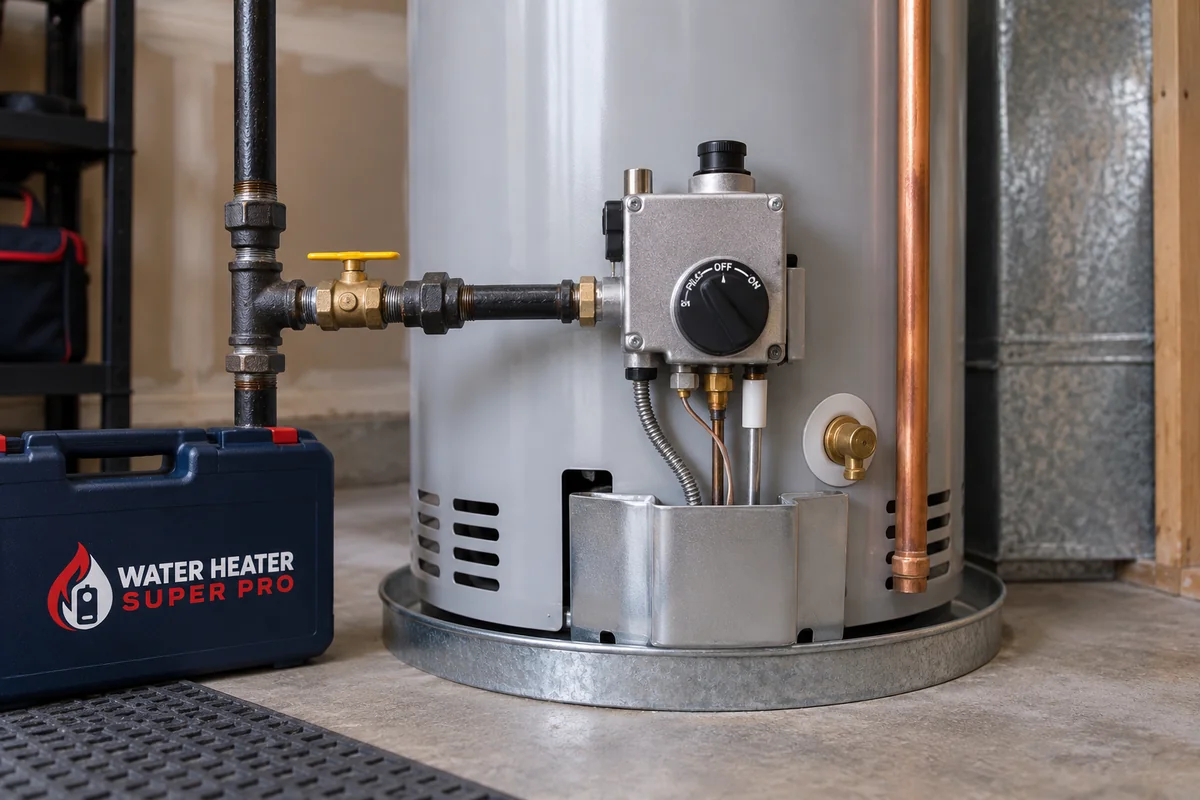
Homes with natural gas or propane service usually choose among three gas water heater types, and the installer confirms which one your venting and gas line support.
Like-for-like swaps with an existing chimney vent
Homes where a chimney vent is not an available option
Homes that want continuous hot water and more space
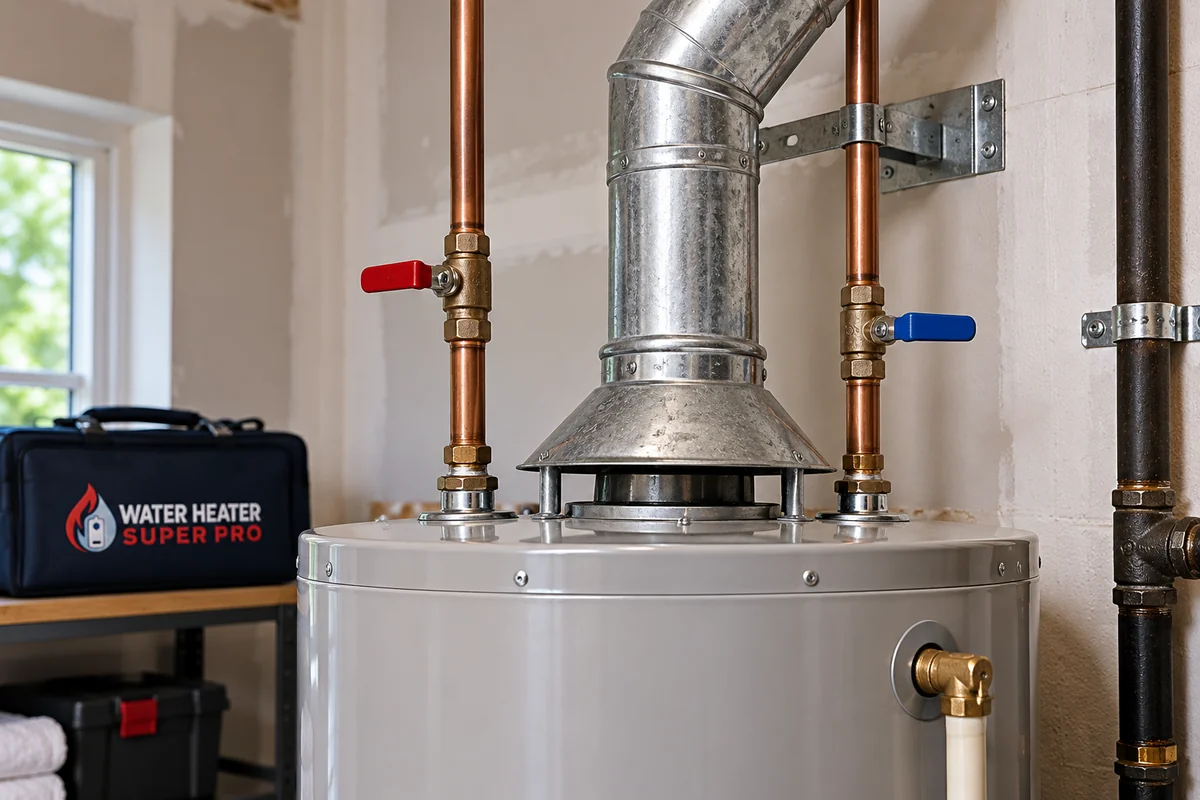
A gas water heater estimate depends on the unit type and size, the venting and gas line work involved and what your local permit office requires.
| Factor | Why it changes the estimate |
|---|---|
| Unit type | A standard tank, power vent tank and tankless unit each need different parts and labor. |
| Size and FHR | A larger tank or a higher First Hour Rating costs more and may change the venting needs. |
| Venting changes | Switching vent types or correcting an unsafe flue adds materials and time to the job. |
| Gas line work | A tankless unit or a new location may need a larger gas line or a new shutoff valve. |
| Permit and code | Permit fees and code items such as an expansion tank or drain pan vary by jurisdiction. |
Fill in the form on this page with your ZIP code and the gas water heater you have now.
We connect you with an independent licensed installer who covers your ZIP code.
The installer checks venting, the gas line and space, then writes an itemized estimate.
Approve the estimate, compare it with others or decline. You have no obligation to hire.
One form starts one gas water heater replacement request: a single matched installer, an itemized written estimate and no cost to compare it with other quotes.
Your request goes to an installer who replaces gas tank and gas tankless water heaters.
Installers in our network are independent businesses licensed for water heater work.
Each estimate lists the unit, venting, gas line and permit items so quotes compare fairly.
Your request goes to installers who cover your ZIP code and the type of job you need.
Key facts from this page, one line each.
A gas water heater heats stored water with a natural gas or propane burner under the tank. Hot combustion gases rise through a flue inside the tank and leave the home through a vent. A gas valve and thermostat cycle the burner to hold the set temperature, which the US DOE suggests is 120°F for most households.
Gas tanks usually recover faster than electric tanks of the same size, which shows up in the First Hour Rating (FHR) on the EnergyGuide label.
The gas valve on a gas water heater controls fuel flow to the burner and holds the thermostat that senses tank temperature. When water cools below the set point, the valve opens and the burner fires. Modern valves include safety shutoffs that stop gas flow if the flame goes out.
A gas water heater needs a safe gas supply, enough combustion air and a vent that carries exhaust outdoors. These three parts work as one system during gas water heater installation. When any of them is wrong, the result is a safety problem involving combustion gases, not just a performance problem.
Natural gas and propane water heaters work the same way, but each model's gas valve, burner orifice and pressure settings are built for one fuel. A natural gas unit cannot simply be connected to a propane tank. Homes on a gas utility line use natural gas, while homes without a gas main often use propane.
Some models ship with a conversion kit, but conversion must follow the manufacturer's instructions and should be done by a qualified installer. The rating plate on your current unit shows which fuel it was built for, and a gas meter on the outside wall or a storage tank in the yard confirms the supply.
Gas water heater venting comes in three common types: atmospheric, power vent and direct vent. Atmospheric units rely on natural draft through a metal flue or chimney. Power vent units use a fan to push exhaust through a vent pipe. Direct vent units pull combustion air from outside and exhaust through a sealed pipe.
Switching from atmospheric to power vent usually adds an outlet for the fan, and any change to the vent route or pipe material should be explained before work starts.
| Venting type | How exhaust leaves | Needs electricity | Typical consideration |
|---|---|---|---|
| Atmospheric | Natural draft up a metal flue or chimney | No (standard models) | Flue must draft properly; often shares a chimney with a furnace |
| Power vent | Fan pushes exhaust through a vent pipe | Yes, for the blower | More flexible vent routing; fan adds some noise |
| Direct vent | Sealed intake and exhaust pipes to outdoors | Varies by model | Uses outside air for combustion; good for tight or closed spaces |
A gas water heater installation checklist covers fuel type, venting type, tank size and First Hour Rating, gas line capacity, location and clearances. The same checklist includes the T&P relief valve discharge line, thermal expansion control and a drain pan where needed. A local licensed installer should verify each item on site.
Newer units can be taller or wider than older ones, so measure the space and doorways. For help choosing capacity, see our guide to choosing the right water heater size.
Bring this checklist to every estimate visit. If an installer skips an item, such as the expansion tank or the T&P discharge line, ask whether it was checked and why it is or is not included.
A gas water heater installation depends on a gas supply line sized for the burner and on a permit from the local building inspections office. Homes with a gas main get natural gas from their gas utility, while other homes rely on propane. Licensed installers typically pull the permit before the work goes ahead.
Permit needs depend on your jurisdiction and the type of work, and the installer should list the permit and inspection in the written estimate. Gas utility programs change over time, so check current offers on our water heater rebates and incentives page and with your gas utility before you buy.
Gas line sizing determines whether the existing pipe can feed a new gas water heater along with the furnace, range and other gas appliances. A larger tank or higher-input burner may need more gas than the old unit. The installer should check pipe size and length before confirming the model.
A permit for gas water heater installation lets the local inspector check gas connections, venting, the T&P relief valve and clearances. Requirements vary by jurisdiction and scope. Our guide on how to choose a water heater installer covers what to ask about permits and licensing.
A gas water heater installation is usually the simplest choice when the home already has a gas line and a working vent. Switching fuels or moving to tankless adds work such as new venting, gas line upgrades or a new electrical circuit. Compare operating costs, upfront work and how your household uses hot water.
Gas tank owners often consider a tankless water heater for continuous hot water, or an electric heat pump unit for efficiency. Our gas vs electric water heater cost comparison walks through the trade-offs without guessing at your local prices.
The total depends on the unit type and size, venting changes, gas line work, permit fees, code upgrades such as an expansion tank or drain pan, haul-away and the install location. Request a written, itemized estimate through this page so you can see each of those items and compare quotes for the same work.
Gas water heater replacement involves the gas connection, venting, combustion air and the T&P relief valve, and mistakes can cause gas leaks or carbon monoxide problems. Most jurisdictions also require a permit and inspection. A licensed installer typically pulls the permit, which is the safer route for most homeowners.
Many manufacturers rate gas tank water heaters for roughly 8 to 12 years, and tankless gas units typically last longer with regular descaling. Hard water, sediment and a worn anode rod shorten tank life. Check the serial number on the rating plate for the manufacture date when deciding between a repair and a replacement.
A like-for-like gas tank replacement is usually completed in one visit. A switch to tankless, a power vent conversion or a move to a new location takes longer because of gas line, venting or electrical work. Permit inspection timing varies by jurisdiction. The installer should list the expected timeline in the written estimate.
Buying the unit through the licensed installer keeps sizing, parts and labor in one written estimate, and the installer is responsible for matching the unit to your venting and gas line. If you buy your own unit, confirm the installer will work with it and ask how warranty registration and any labor issues will be handled.
Retailers set their own installation programs, pricing and haul-away policies, and those details can change, so ask before you buy. Whoever does the work, compare the same job: unit, venting, gas line, permit, code upgrades and removal. A written, itemized estimate from a licensed local installer gives you a clear basis for that comparison.
Open the service area directory, pick your city and you land on gas water heater replacement for that city: what the job includes there, who issues the permit and how to get a free written estimate from a licensed local installer.
Or browse by state: North Carolina · South Carolina
Share your ZIP code and the problem. A licensed installer covering your area follows up with a written estimate.