

Leak source tracing
Separates tank leaks from fittings, valves, supply lines and condensation on the pipes.
Where the water is coming from tells you whether the fix is a fitting, a valve or a new water heater. Shut off the water first, then request an estimate and we connect you with a licensed local installer in our network.
A water heater leak visit starts by finding exactly where the water comes from, because the source decides whether a repair or a replacement is needed.
Separates tank leaks from fittings, valves, supply lines and condensation on the pipes.
Checks whether the T&P relief valve drips from high pressure, overheating or a worn seat.
Inspects the drain valve at the bottom of the tank, a common leak point that can be fixed.
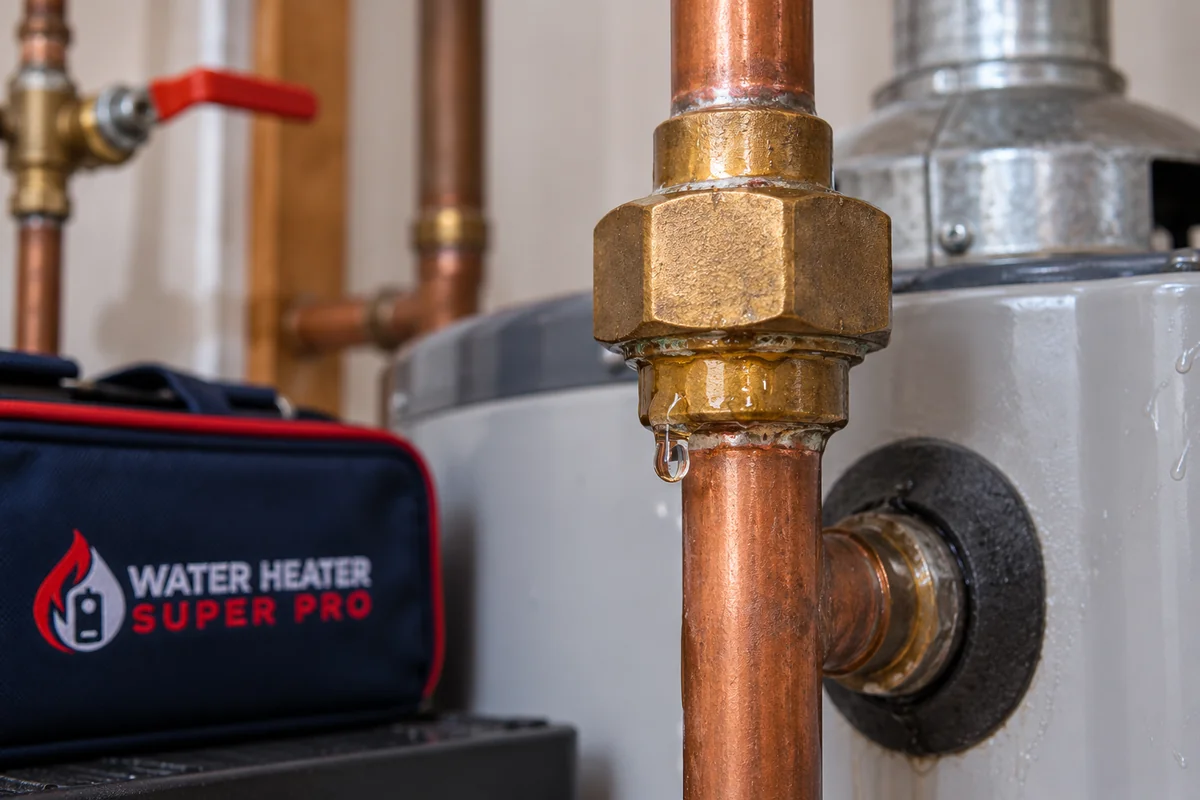
Tightens or replaces leaking connectors, nipples and supply lines at the top of the tank.
Checks for a drain pan where a leak could damage ceilings, floors or the finished rooms.
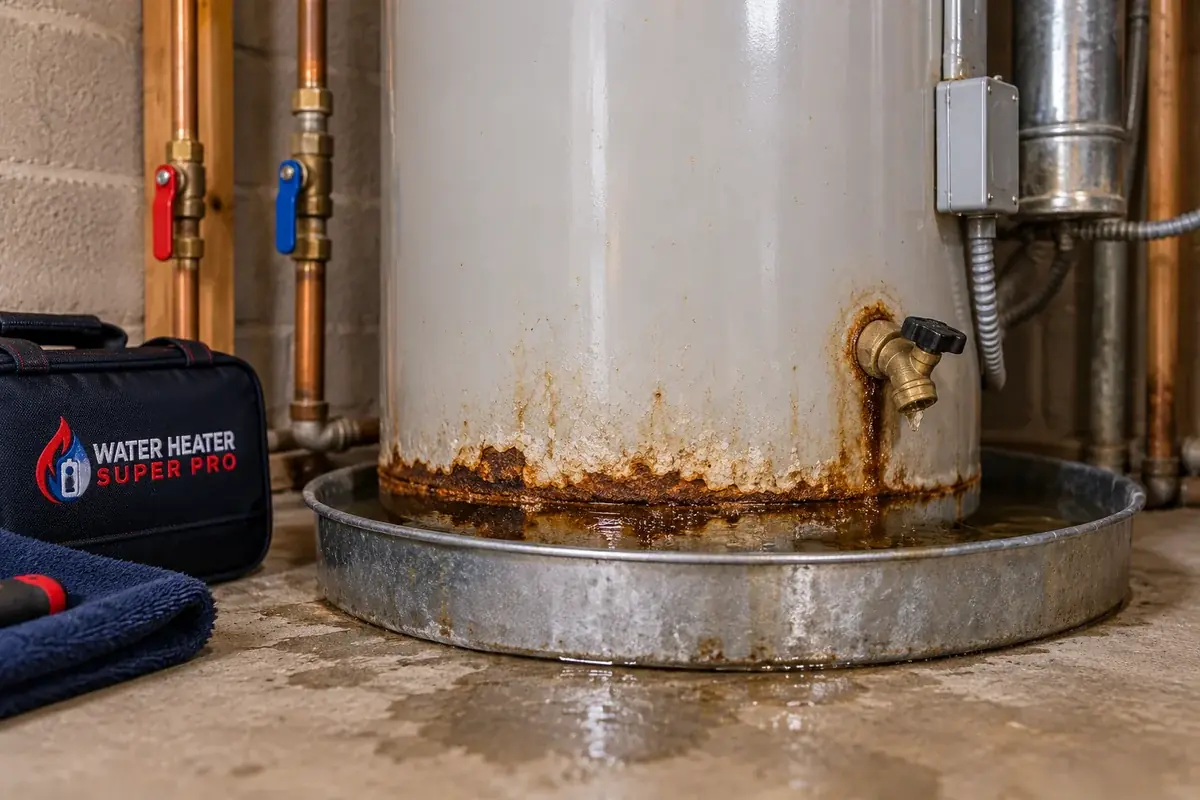
Confirms whether the steel tank itself is leaking, which means a replacement is required.
The leak source points to one of three paths, and the installer explains the reason for the recommended path in the written estimate.
Drips from a valve, connector or water supply line
Leaks from the tank body, its seams or the bottom
Homes ready to retire the storage tank for good
A water heater leak estimate depends on where the water comes from, how much damage it caused and what the replacement must include to meet code.
| Factor | Why it changes the estimate |
|---|---|
| Leak source | A valve or fitting leak is a smaller job than a leaking tank, which needs a full replacement. |
| Water damage | Wet drywall, flooring or subfloor near the unit can add cleanup and repair items to the job. |
| Unit age | An older tank that starts leaking is usually close to the end of its rated service life. |
| Install location | Attic, closet and upper floor units take more time to reach and often need a drain pan. |
| Code updates | A replacement may need a new expansion tank, T&P discharge line or venting to meet code. |
Fill in the form on this page with your ZIP code and where you see the water heater leak.
We connect you with an independent licensed installer who covers your ZIP code.
The installer finds the leak source at your home and writes up an itemized estimate.
Approve the repair, choose a replacement or decline. You have no obligation to hire.
One form starts one water heater leak repair request: a single matched installer, an itemized written estimate and no cost to compare it with other quotes.
Your request goes to an installer who handles water heater leak repair and replacement.
Installers in our network are independent businesses licensed for water heater work.
Each estimate lists parts, labor and permit items so you can compare repair and replace.
Your request goes to installers who cover your ZIP code and the type of job you need.
Key facts from this page, one line each.
A water heater leak requires closing the cold water supply valve on the pipe entering the top of the tank, then turning the gas control to off or pilot on a gas unit, or switching off the breaker on an electric unit. Keep people away from hot water and electrical parts.
If you smell gas, leave the home and contact your gas provider instead. The urgent water heater help page walks through the shutoff steps in more detail.
A water heater leak is diagnosed by where the water appears. Water at the top usually comes from supply fittings or the T&P valve connection, water from the discharge pipe points to the T&P valve, water at the front bottom suggests the drain valve, and seeping from the base or seams points to tank failure.
Dry the area with towels, then watch where new water appears first. Water often runs down the outside of the tank, so a puddle at the base does not always mean the tank itself has failed.
| Where you see water | Likely source | Usually means |
|---|---|---|
| Top of the tank, at the pipes | Loose or corroded supply fittings, dielectric nipples, shutoff valve | Repair |
| Top or side, at the T&P valve threads | Leaking valve connection | Repair |
| From the T&P discharge pipe | Relief valve opening from pressure or heat, or a worn valve | Diagnose the cause |
| Front bottom, at the drain valve | Drain valve not fully closed or worn | Repair |
| Under the tank, no visible source | Condensation, a leak running down from above, or the tank itself | Inspect carefully |
| Seeping from the tank base, seams or jacket | Corroded tank | Replacement |
| Expansion tank or nearby pipes | Failed expansion tank or plumbing leak | Repair |
A water heater leak at fittings or valves is usually repairable. Supply connections can loosen or corrode, especially where dissimilar metals meet, and a drain valve can drip if it was not fully closed or has worn out. These repairs replace a part without replacing the tank, as long as the tank is sound.
Supply fitting leaks at the top of the tank often come from corroded dielectric nipples or connectors where copper meets steel. Corroded fittings should be replaced rather than tightened hard, since over-tightening can damage threads. A shutoff valve that weeps at its stem can usually be repaired or replaced at the same visit.
A dripping drain valve at the front bottom of the tank is often stopped by gently closing it fully or by fitting a hose cap until the valve is replaced. Plastic drain valves on older tanks can crack or warp. Replacement normally means draining the tank, so the installer may pair it with a flush.
Water leaking from the T&P relief valve or its discharge pipe means the valve is opening or worn. The temperature and pressure relief valve is typically rated at 150 psi and 210°F and opens to protect the tank. Causes include high water pressure, thermal expansion, an overheating control or a valve that no longer seals.
Never cap or plug the discharge line. The relief valve leaking page explains each cause, and the expansion tank page covers thermal expansion in systems with a check valve or pressure-reducing valve.
A water heater tank that leaks from the body, the base or the seams has corroded through its lining, usually after the anode rod has been depleted. A corroded tank cannot be repaired, and the leak typically gets worse over time, so the water heater needs replacement while the water supply stays off.
Signs that the tank itself is leaking include rust-colored water at the base, a damp insulation jacket, and rust streaks running from under the jacket. Water that keeps returning after the fittings, the T&P valve and the drain valve have been ruled out also points to the tank.
A drain pan under the replacement unit is recommended where a leak could damage the building, such as in an attic or on an upper floor. The pan should drain to a safe location. See water heater replacement for what a complete replacement includes.
Condensation can look like a water heater leak, especially on gas units when cold water fills the tank and the burner first fires. Moisture forms on cold surfaces and drips onto the burner area or floor. Condensation usually lessens once the tank reaches temperature, while a true leak continues regardless.
Heat pump water heaters and condensing tankless units also produce condensate by design, which should run to a drain. A clogged or disconnected condensate line can leave water on the floor that looks like a tank leak.
Shut off the cold water supply valve above the tank, then turn off the breaker for an electric unit or set a gas unit to off. Move valuables away and catch the water with towels or a pan. Then request an assessment so a licensed installer can find the leak source and explain the repair or replacement options.
A leaking water heater can damage floors, drywall and ceilings, and water near wiring or a gas burner adds risk. A dripping T&P relief valve can also signal high pressure or overheating, which should be checked promptly. Shut off the water and the power or gas, then have a licensed installer inspect the unit before using it again.
Water at the bottom can come from the drain valve, condensation, a leak at the top running down the outside or a corroded tank. Dry the area and watch where water appears first. If water seeps from the tank base itself, the tank has failed and the installer will quote a replacement instead of a repair.
A leaking tank does not repair itself, and corrosion leaks usually get worse over time, sometimes suddenly. There is no safe way to predict how long a failing tank will hold. Valve and fitting leaks can often be fixed, but a leak from the tank body means planning a replacement before the water damage spreads.
A fair price depends on the fuel type, tank size or tankless capacity, venting, gas line or electrical work, permit fees, code upgrades such as an expansion tank or drain pan, and the install location. Ask for a written, itemized estimate that lists each of those items so you can compare quotes for the same work.
A like-for-like tank replacement is usually completed in one visit, while a switch to tankless or a move to a new location takes longer because of gas line, venting or electrical changes. Attic installs and code upgrades also add time. The installer should list the expected timeline in the written estimate before any work starts.
Open the service area directory, pick your city and you land on water heater repair for that city: what the job includes there, who issues the permit and how to get a free written estimate from a licensed local installer.
Or browse by state: North Carolina · South Carolina
Share your ZIP code and the problem. A licensed installer covering your area follows up with a written estimate.