

Load and Sizing
Tank units are sized by First Hour Rating and tankless units by GPM at the needed rise.
Adding a water heater, moving one to a new spot, or planning hot water for an addition takes more than a tank swap. Request an estimate and we connect you with a licensed local installer in our network.
A new water heater installation covers more than setting the unit, and a written estimate from an installer in our network should spell out each step.
Tank units are sized by First Hour Rating and tankless units by GPM at the needed rise.
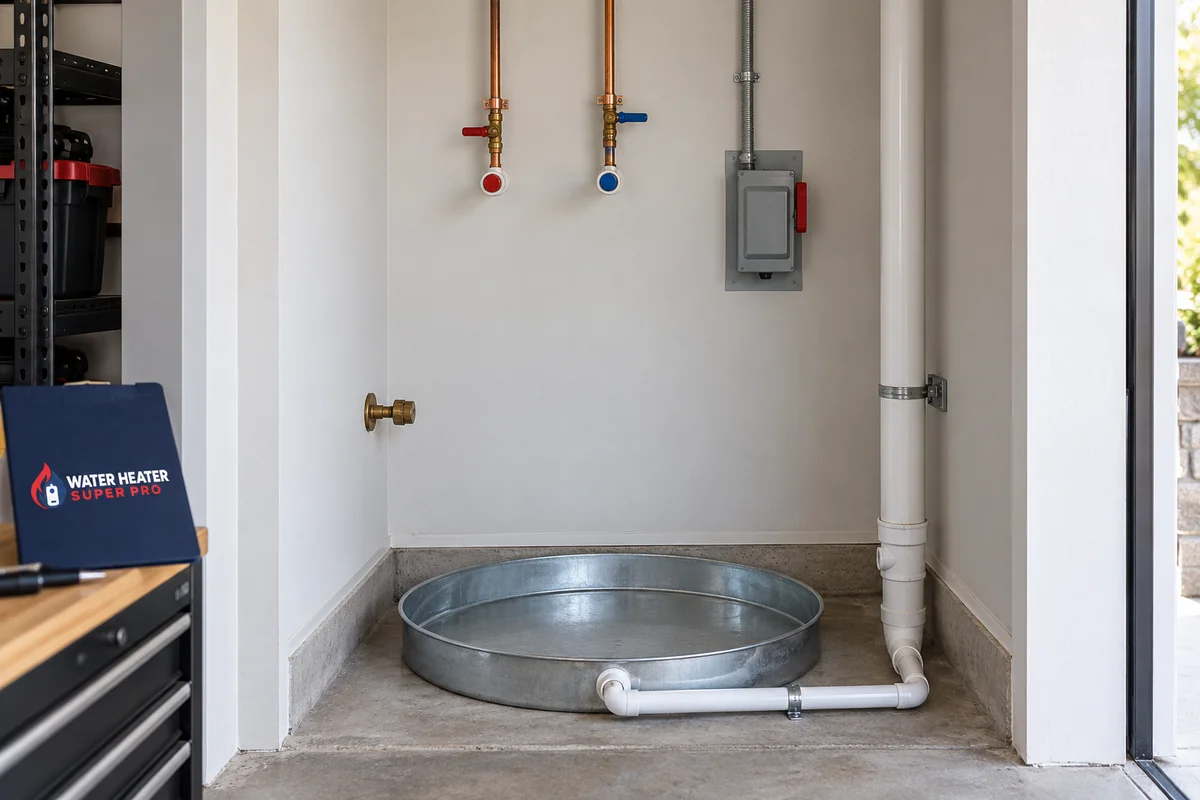
The installer confirms clearance, access, a drain pan where needed and a discharge path.
Gas line, venting and combustion air, or a dedicated 240-volt circuit, are verified.
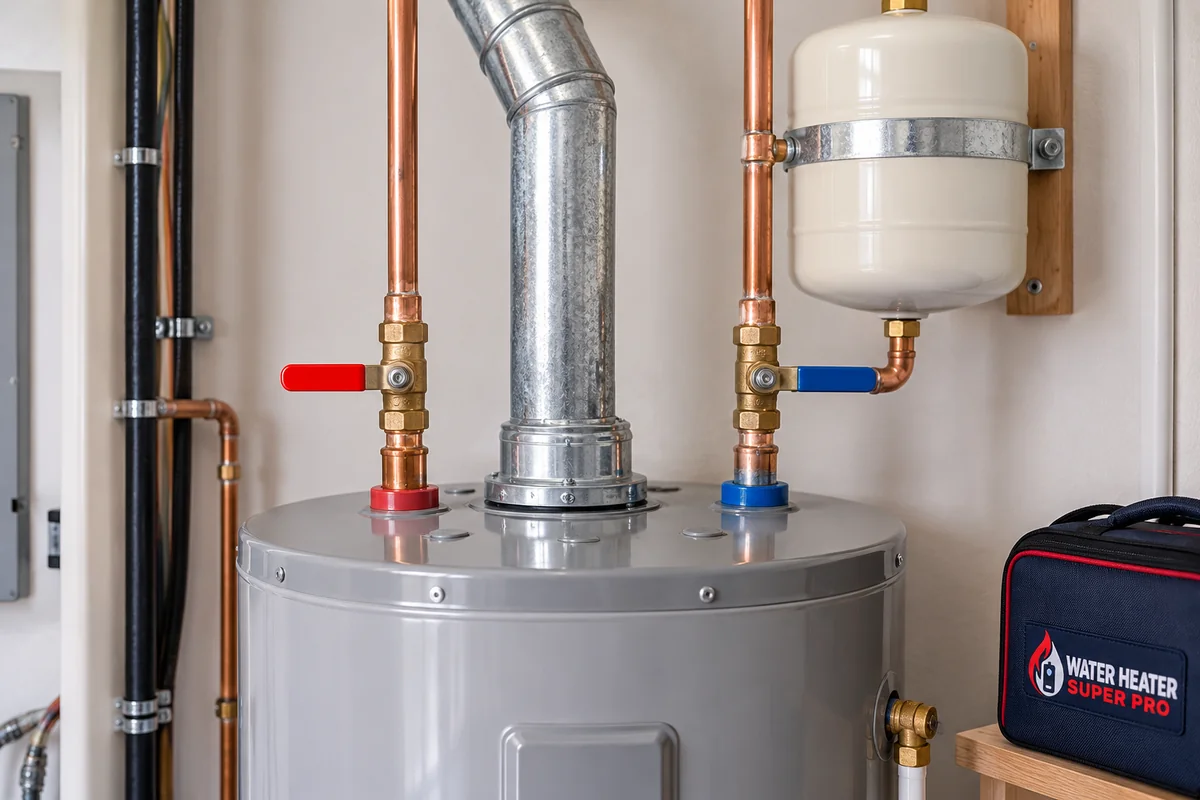
Shutoff valve, supply lines and thermal expansion control are installed to current code.
A T&P relief valve is fitted with a discharge line routed to an approved end point.
The installer pulls the permit where required, fills the unit and sets the temperature.
Installers in our network work with tank, tankless and heat pump models, and the best fit depends on your fuel, your space and household demand.
Homes with natural gas service and room for a vent
Homes with limited space and steady hot water demand
Garages or basements with room and good airflow
No two installations are the same, so the installer prices each job after reviewing these factors on site at your home.
| Factor | Why it changes the estimate |
|---|---|
| Water Heater Type | Tank, tankless and heat pump units differ in equipment, labor and supporting parts. |
| Gas Line and Venting | A tankless or high-input gas unit may need a larger gas line and a new vent route. |
| Electrical Capacity | Electric and heat pump units usually need a dedicated 240-volt circuit and panel space. |
| Install Location | Attics, closets and new locations add labor, drain pans and longer water or vent runs. |
| Permit and Inspection | Your local building inspections office sets the permit and inspection rules for the job. |
Use this form to share your ZIP code, unit type and the type of heater you want.
We connect you with an independent licensed installer who covers your ZIP code.
The installer checks your setup and gives you a written, itemized installation estimate.
Compare the scope and approve the work only if it fits. There is no obligation to hire.
One form starts one water heater installation request: a single matched installer, an itemized written estimate and no cost to compare it with other quotes.
Your request goes to an installer who handles water heater installation in your area.
Installers in our network are independent contractors licensed by the state board.
Each estimate lists the unit or parts, labor and permit items so you can compare clearly.
Requests go to installers who cover your ZIP code, and you never have to hire anyone.
Key facts from this page, one line each.
Water heater installation puts a unit where none exists today, while water heater replacement swaps an existing unit in roughly the same spot. Installation usually involves running new water lines, gas piping or a new electrical circuit, a new vent path, and a new discharge route for the T&P relief valve.
If your current tank is failing and the new one will go in the same place, the water heater replacement page is the better guide. This page is for projects where the location, the number of units or the infrastructure is changing.
Because installation creates new connections, it often involves more planning, more permit review and sometimes more than one trade.
Common water heater installation projects include a home addition or in-law suite that needs its own hot water, a finished basement, relocating a water heater out of an attic or living space, adding a second unit for a distant bathroom, and new construction or major renovation where the plumbing layout is being redesigned.
Some homeowners choose a tankless unit for a new location because it mounts on a wall. The tankless water heater installation page explains the gas, venting and electrical requirements for that option.
If your project matches one of these, describe the space and the fixtures it will serve in the estimate form so the installer can plan supply, venting and permit needs.
A water heater installation site needs a cold water supply and hot water distribution, a fuel or electrical source, venting and combustion air for gas units, a T&P relief valve discharge route, a drain or drain pan where a leak could cause damage, and the service clearance the manufacturer specifies.
A drain pan under an attic or upper-floor water heater catches leaks before they reach the ceilings and floors below. The pan should drain to a safe location through a clear drain line. Relocating a unit out of the attic is a common installation project for exactly this reason.
Thermal expansion control is required at a new water heater when the plumbing system is closed by a check valve or pressure-reducing valve. An expansion tank on the cold supply absorbs the extra volume of heated water. See expansion tank service for sizing and pre-charge details.
| Type | Supply | Other needs |
|---|---|---|
| Gas tank | Gas line sized for the unit | Vent path, combustion air, T&P discharge |
| Electric tank | Dedicated 240-volt circuit | T&P discharge, drain pan where needed |
| Heat pump | Dedicated 240-volt circuit | Enough surrounding air, condensate drain |
| Gas tankless | Gas line with enough capacity | Vent path, condensate drain on condensing models |
Water heater installation sizing starts with the fixtures the unit will serve and how many may run at the same time. Tank water heaters are compared by First Hour Rating (FHR), and tankless water heaters by gallons per minute (GPM) at the temperature rise the incoming water requires.
Ask the installer to show how they sized the unit so you can compare estimates on equal terms.
First Hour Rating measures how many gallons of hot water a tank water heater can deliver in one hour starting full. A second unit serving one bathroom needs far less than a unit serving an addition with a kitchen and laundry. Our water heater sizes guide walks through FHR and capacity.
Tankless sizing adds up the gallons per minute of fixtures running together and matches that flow to the temperature rise needed from the incoming water. Colder incoming water needs a larger rise and lowers the available flow. The tankless sizing guide covers the math step by step.
A new water heater installation usually requires a permit because it adds new plumbing, gas or electrical work. Permits and inspections go through the local building inspections office, and each jurisdiction sets its own rules and fees. Licensed installers typically pull the permit and schedule the inspection for the homeowner.
If the project is part of a larger renovation, the water heater may be inspected along with other work. Some jobs also need a licensed electrician for a new circuit or a gas line extension. Ask who handles each part. Our guide on how to choose a water heater installer explains what to ask.
Homeowners planning a water heater installation should ask the installer how the unit was sized, how it will be vented or powered, where the T&P relief valve will discharge, whether a drain pan or expansion tank is included, who pulls the permit, and which trade handles electrical or gas work.
Compare the answers across estimates. An installer who explains sizing, discharge routing and permit handling clearly gives you a better basis for a decision when you request an estimate.
An installation estimate covers more than the unit. Licensed installers account for gas line or circuit work, venting, the T&P discharge line, expansion control, a drain pan, the permit and inspection, and haul-away of the old tank. A written, itemized estimate from an installer in our network shows where each part of the price comes from.
Retailers set their own installation programs and haul-away policies, and those terms change, so ask the store directly before you buy. Whoever does the work, compare the scope: permit, T&P discharge line, expansion tank, venting and removal of the old unit. A written estimate from a licensed local installer gives you a clear comparison.
Many installers like tankless units, but the installs are more involved. A gas tankless water heater often needs a larger gas line, new venting and a condensate drain, and the unit needs periodic descaling. Those extra steps add time and parts, so the written estimate should list each one before you decide on tankless.
In garages, code typically requires the ignition source of a gas water heater to sit at least 18 inches above the floor unless the unit is rated as flammable vapor ignition resistant. Local rules apply, so the installer will confirm the correct height, stand and clearances for your space and permit.
Many manufacturers rate tank water heaters for roughly 8 to 12 years, and tankless units typically last longer. A correct installation helps reach that range: proper sizing, an expansion tank in closed systems, a working T&P relief valve and routine flushing. Ask the installer to explain maintenance needs for the model you choose.
A like-for-like swap is usually the simplest job: same fuel, same size class and same location, which avoids new gas lines, circuits or vent routes. Moving or changing the type adds work. Compare written, itemized estimates so the lowest number still includes the permit, safety valve and code items your home needs.
Open the service area directory, pick your city and you land on water heater installation for that city: what the job includes there, who issues the permit and how to get a free written estimate from a licensed local installer.
Or browse by state: North Carolina · South Carolina
Share your ZIP code and the problem. A licensed installer covering your area follows up with a written estimate.