

Leak cause diagnosis
Determines if the valve leaks from high pressure, overheating, debris or a worn seat.
A dripping or discharging T&P relief valve is a warning that pressure, temperature or the valve itself needs attention. Never cap it. Request an estimate and we connect you with a licensed local installer in our network.
A relief valve visit finds out why the T&P relief valve opened or dripped, then fixes the valve and the cause so the problem does not return.
Determines if the valve leaks from high pressure, overheating, debris or a worn seat.
Reads static house pressure and checks for thermal expansion in a closed plumbing system.
Confirms the thermostat setting and looks for overheating that can force the valve open.
Installs a new T&P relief valve rated for the heater, typically 150 psi and 210°F.
Checks that the discharge line is full size, unthreaded at the end and routed to code.
Adds or replaces an expansion tank when thermal expansion is pushing the valve open.
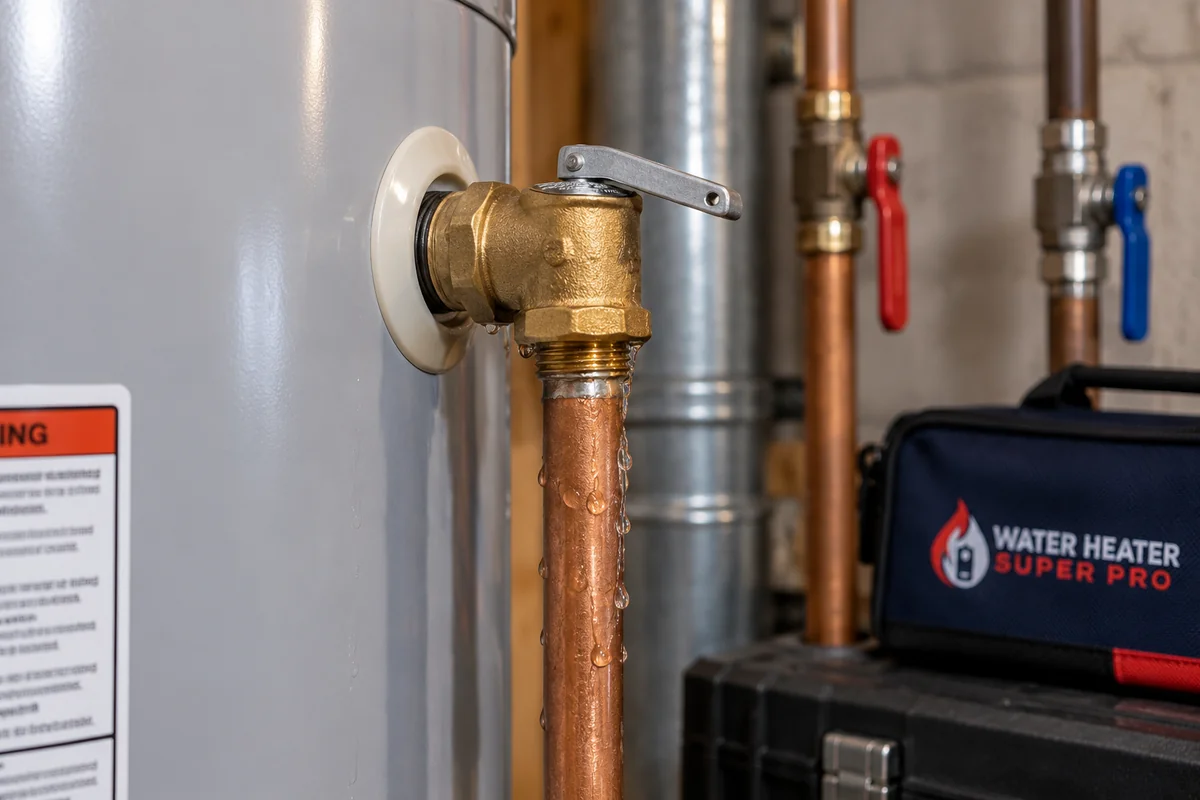
A dripping relief valve leads to one of three fixes, and the installer matches the fix to the cause found during the on-site assessment.
Valves that drip from wear, debris or mineral buildup
Valves that open from high pressure or expansion
Older or overheating tanks with repeat valve trips
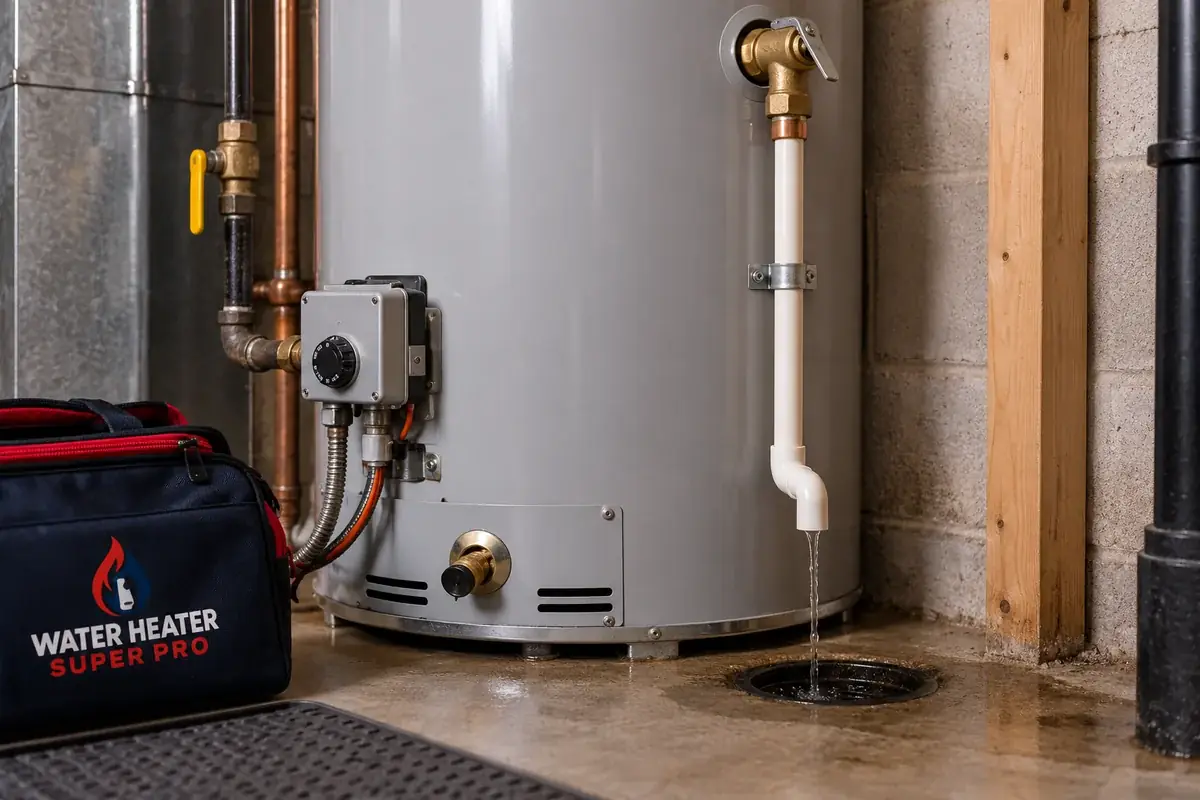
A relief valve estimate depends on why the valve is leaking, what the discharge line needs and whether pressure or temperature problems must be corrected too.
| Factor | Why it changes the estimate |
|---|---|
| Leak cause | A worn valve is a simple swap, while pressure or overheating problems add more diagnosis. |
| Discharge line work | An undersized, capped or badly routed discharge line must be corrected to meet code. |
| Expansion control | A closed system with no working expansion tank may need one added to stop the valve dripping. |
| Water pressure | High street pressure can require a new pressure-reducing valve or an adjustment to one. |
| Water heater age | An older tank that overheats or keeps tripping the valve may be better off being replaced. |
Fill in the form on this page with your ZIP code and what the relief valve is doing.
We connect you with an independent licensed installer who covers your ZIP code.
The installer checks the valve, pressure and temperature, then writes up an estimate.
Approve the repair, choose a replacement or decline. You have no obligation to hire.
One form starts one t&p relief valve repair request: a single matched installer, an itemized written estimate and no cost to compare it with other quotes.
Your request goes to an installer who handles T&P relief valve and pressure problems.
Installers in our network are independent businesses licensed for water heater work.
Each estimate lists the valve, line, parts and labor so you can compare it with others.
Your request goes to installers who cover your ZIP code and the type of job you need.
Key facts from this page, one line each.
The water heater relief valve, also called the T&P relief valve, opens when tank pressure or water temperature exceeds its rating, typically 150 psi or 210°F. Opening releases water through the discharge line and keeps the tank from reaching dangerous conditions, so every tank water heater needs a working relief valve.
The relief valve sits on the top or upper side of a tank water heater, with its temperature probe reaching into the hottest water. The discharge pipe runs down from the valve outlet toward the floor or an approved drain. Water at the valve threads is a connection leak rather than a discharge.
The relief valve discharge line must be the correct size and material, run without valves or caps, and end at an approved termination point where hot water will not injure anyone. A line that is capped, undersized or ends in a hidden spot defeats the purpose of the valve and fails inspection.
A water heater relief valve leaks for four main reasons: incoming water pressure is too high, thermal expansion has no outlet in a closed system, the thermostat or gas control is overheating the water, or the valve itself is worn or has debris on its seat. The pattern of the leak helps narrow down which cause applies.
Note when the dripping happens and how much water collects. The pattern tells the installer which cause to test first.
| Pattern | Likely cause | Typical fix |
|---|---|---|
| Drips after the burner or elements run | Thermal expansion in a closed system | Add or replace expansion tank |
| Drips constantly | Worn valve or debris on the seat | Replace the valve |
| Discharges a lot of hot water or steam | Overheating control or thermostat | Shut off and diagnose immediately |
| Drips at night or under low demand | High incoming water pressure | Check or adjust the pressure-reducing valve |
| Leaks at the threads, not the outlet | Connection leak | Reseal or replace the valve |
A leaking water heater relief valve needs an open, clear discharge line and must never be capped. If the valve is discharging large amounts of hot water or steam, turn off the gas or power to the water heater immediately and keep people away. For a slow drip, place a bucket under the outlet and request a diagnosis.
Heavy discharge of very hot water is a sign that something is overheating and is more urgent. The urgent water heater help page covers safe shutoff steps.
A written note of when the valve drips and how much water collects helps the installer test the right cause first when you request an estimate.
Thermal expansion is one of the most common reasons a water heater relief valve drips. When water heats in a closed plumbing system, its added volume raises pressure until the relief valve opens, and an expansion tank on the cold supply absorbs that volume to keep pressure below the valve rating.
Check valves and pressure-reducing valves on the water supply create a closed system by stopping water from flowing back toward the street. Many homes have one near the main shutoff or at the meter. If yours does and there is no working expansion tank, see expansion tank service.
A new relief valve alone does not fix a pressure problem, because the new valve opens at the same rating as the old one. If thermal expansion or high incoming pressure is the cause, the dripping returns. The installer should measure pressure before and during a heating cycle to confirm the cause.
Water heater relief valve replacement involves turning off the fuel or power, closing the cold supply, relieving pressure, draining some water, removing the old valve, installing a new valve with the pressure and temperature rating the manufacturer specifies, and reconnecting a code-compliant discharge line before refilling and testing.
The new valve must match the rating the water heater manufacturer specifies. If the tank is older and showing other signs of wear, the installer may suggest comparing a valve replacement with a full water heater replacement.
A relief valve that has not been tested in years may not seat properly after its first test. That is normal wear and a reason to include the valve in routine water heater maintenance.
Signs of a bad T&P relief valve include steady dripping from the discharge line, water after the valve is tested, crusty mineral buildup around the valve or a valve that will not open at all. Leave testing and replacement to a licensed installer, because the valve releases very hot water and protects the tank from dangerous pressure.
A T&P relief valve leaks when house pressure is too high, when thermal expansion has nowhere to go in a closed system, when the water is overheating or when debris and wear keep the seat from sealing. Replacing the valve alone will not fix a pressure or temperature problem, so the installer checks all of these causes.
Keep the discharge line clear and never cap or plug it. If the valve is leaking heavily or the tank seems overheated, turn off the power or gas and shut off the cold water supply. Then request an assessment so a licensed installer can find the cause, replace the valve if needed and correct the pressure.
A leaking relief valve is a warning sign. The valve may be doing its job by releasing excess pressure or heat, or it may be failing. Either way, a capped or blocked valve is far more dangerous than a dripping one. Have a licensed installer check the pressure, temperature and valve condition before the problem gets worse.
Relief valve life depends on water quality, pressure and how often the valve has opened. Mineral buildup can keep the valve from sealing or from opening at all. Many manufacturers recommend checking the valve periodically, and installers typically fit a new T&P relief valve whenever the water heater itself is replaced, so the protection starts fresh.
The price depends on the valve type, the condition of the discharge line, whether pressure or expansion problems must be corrected and how easy the water heater is to reach. Request a written, itemized estimate through this page so you can see the valve, parts, labor and any extra work listed separately before you approve.
Open the service area directory, pick your city and you land on water heater repair for that city: what the job includes there, who issues the permit and how to get a free written estimate from a licensed local installer.
Or browse by state: North Carolina · South Carolina
Share your ZIP code and the problem. A licensed installer covering your area follows up with a written estimate.