

Leak Containment
The installer confirms water and fuel are off and finds where the leak is coming from.
Water on the floor, no hot water, or a valve that will not stop discharging. Take the safety steps below first, then request an estimate and we will connect you with a licensed local installer in our network.
An urgent request through this page goes to an installer in our network who covers your area, and the visit should address each of these items.
The installer confirms water and fuel are off and finds where the leak is coming from.
A gas smell, scorching, a stuck T&P valve or a tripped breaker is checked before repair.
Burner, elements, controls, valves and the tank are tested to find the actual failure.
Where safe, a failed part can be replaced to restore hot water and stop the problem.
When the tank itself has failed, the installer writes up a replacement estimate on site.
The installer notes the cause and condition, which can help when you talk to your insurer.
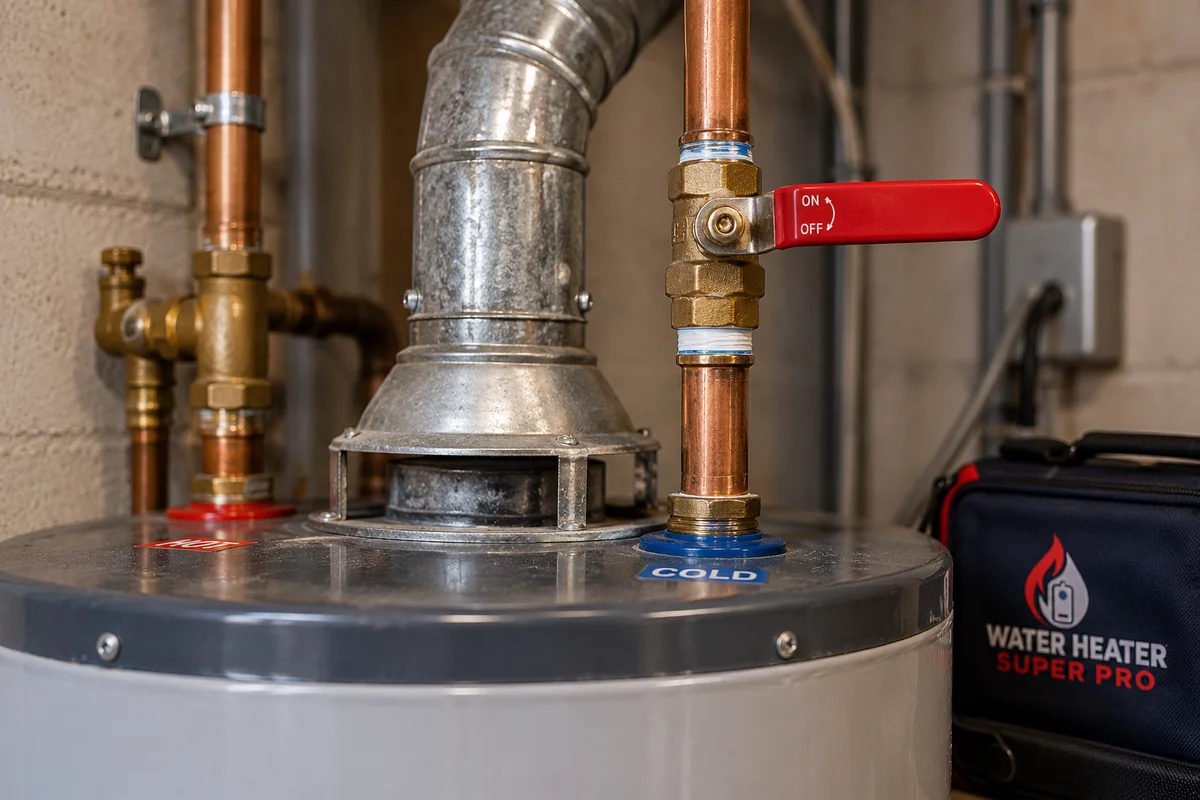
Most urgent water heater requests fall into three groups, and naming yours in the form helps the installer come prepared for the visit.
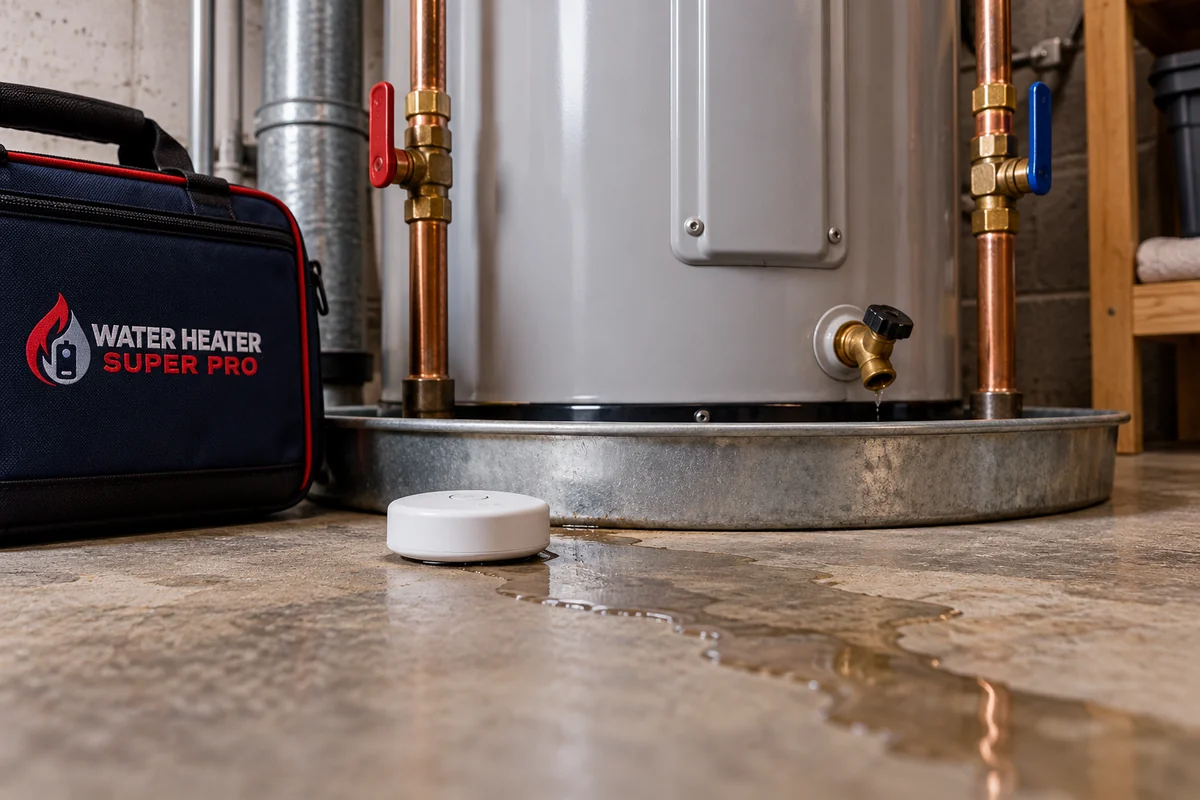
Water pooling under the unit or seeping from the tank
Cold showers with no visible leak at the water heater
A spraying T&P valve or a gas smell near the heater
Urgent estimates depend on what the installer finds on site, and these factors usually decide the written price and the scope of the visit.
| Factor | Why it changes the estimate |
|---|---|
| Timing of the Visit | Evening, weekend or holiday visits may be priced differently by each independent installer. |
| Repair or Replacement | A single failed part is a smaller job than a leaking tank that needs a full replacement. |
| Water Damage Extent | Wet drywall, flooring or a ruined drain pan can add cleanup and parts to the scope. |
| Unit Type and Size | Gas, electric and tankless units use different parts, and stock on hand can vary. |
| Code Corrections | A missing expansion tank or a bad T&P discharge line may need fixing during the visit. |
Use this form to share your ZIP code, unit type and what is going wrong.
We connect you with an independent licensed installer who covers your ZIP code.
The installer checks your setup and gives you a written, itemized urgent service estimate.
Compare the scope and approve the work only if it fits. There is no obligation to hire.
One form starts one emergency water heater service request: a single matched installer, an itemized written estimate and no cost to compare it with other quotes.
Your urgent request goes to an installer who handles water heater repair in your area.
Installers in our network are independent contractors licensed by the state board.
Each estimate lists the unit or parts, labor and permit items so you can compare clearly.
Requests go to installers who cover your ZIP code, and you never have to hire anyone.
Key facts from this page, one line each.
A gas smell near a water heater requires leaving the home right away without operating light switches, appliances or anything that could create a spark. From a safe location, contact your gas utility or 911, and do not relight the pilot or repair anything until a qualified professional has addressed the leak.
A gas smell is a utility safety issue before it is a water heater issue. Once the gas provider has made the area safe, an installer can inspect the gas control, connections and venting.
The cold water supply valve on the pipe entering the top of the tank stops water from refilling a leaking water heater. Turn a round handle clockwise until it stops, or set a lever-style valve perpendicular to the pipe. If that valve fails or cannot be found, close the main water shutoff to the home.
Limiting water damage starts once the supply is closed, because the water already in the tank can still leak out. Move belongings away, use towels or a wet vacuum, and keep children and pets clear. The water in the tank may be scalding hot, so avoid touching the tank or its fittings.
Finding where the leak starts tells the installer whether a repair or a replacement is likely. Dry the area and watch where new water appears first: fittings at the top, the T&P valve, the drain valve or the tank base. The leaking water heater page maps each location to its usual cause.
A gas water heater shuts down when the gas control knob is set to off or pilot and the gas shutoff valve on the supply line is closed by turning the handle perpendicular to the pipe. An electric or heat pump water heater shuts down when its dedicated 240-volt breaker is switched off.
Leave the gas or power off until an installer has looked at the unit, because heating a low or empty tank can damage the elements or the burner.
A discharging T&P relief valve must never be capped or plugged, because the valve is a safety device typically rated at 150 psi and 210°F. Turn off the gas or power to the water heater, keep clear of the hot discharge, and request help so the cause of the discharge can be diagnosed.
Relief valve discharge usually comes from excessive pressure, thermal expansion in a closed system, an overheating control or a worn valve. Heavy discharge of very hot water or steam points to overheating and is the most urgent pattern. The relief valve leaking page explains each cause.
Keeping people clear of the discharge line matters because water leaving a T&P relief valve can be close to boiling. Do not reach under the outlet or try to redirect it by hand. Once the gas or power is off, let the tank cool before anyone works near the valve or its fittings.
No hot water without a leak is usually less urgent than an active leak or a gas smell. Check whether the breaker has tripped on an electric unit, whether the pilot is out on a gas unit, and whether the gas or power supply is on. If those checks fail, request an estimate.
Follow the step-by-step checks on the no hot water troubleshooting page. Stop if anything looks scorched, smells of gas, or requires opening electrical covers.
Water Heater Super Pro connects homeowners who request emergency water heater help with a licensed local installer in its network who serves their area. Timing depends on installer availability and location. The installer confirms when they can come, assesses the unit, and explains whether a repair or a replacement is needed.
Include the fuel type, the location of the unit, what you are seeing and the steps you have already taken. If the tank body is leaking, the installer will likely discuss water heater replacement options, so having the size and fuel type ready helps.
A leak from the tank body, a spraying T&P relief valve or water spreading across the floor should be treated as urgent. Shut off the cold water supply and the gas or power, then request service. A slow drip at a fitting is less urgent, but it still needs an inspection before it causes damage.
The cost to fix a water heater depends on the failed part, the unit type, its age and location, any water damage and the timing of the visit. Some installers price evening or weekend work differently. An installer in our network diagnoses the problem and gives you a written, itemized estimate before starting work.
Water heater work involves gas lines, venting, 240-volt circuits and safety valves, and in most jurisdictions much of it falls under licensed plumbing work that may need a permit. A licensed installer knows the code and pulls permits where required. Installers in our network are independent licensed contractors who handle this work.
There is no safe way to predict how long a leaking water heater will last. A leak from the tank body usually grows and can fail suddenly, so shut off the water supply and the fuel or power right away. Leaks at fittings or valves can often be repaired, and the installer will confirm which applies.
Early signs include rusty or discolored hot water, rumbling or popping noises, moisture around the base, a dripping T&P relief valve and hot water that runs out faster than before. Catching these signs early can prevent an urgent failure. An installer can inspect the unit and put repair or replacement options in writing.
On a gas tank, follow the lighting instructions on the unit label to relight the pilot. On an electric tank, the reset button usually sits behind an access panel, so switch off the breaker first. If the unit keeps shutting off or the breaker keeps tripping, an installer should diagnose the cause.
Open the service area directory, pick your city and you land on emergency water heater service for that city: what the job includes there, who issues the permit and how to get a free written estimate from a licensed local installer.
Or browse by state: North Carolina · South Carolina
Share your ZIP code and the problem. A licensed installer covering your area follows up with a written estimate.